ABOUT
QBP

Art, research, and worldbuilding around queer birth, family, and kinship.
The Queer Birth Project collects and shares the experiences of LGBTQIA+ childbirth and family-building through a collaboration between transmedia artist Liss LaFleur and sociologist Katherine Sobering.

The Queer Birth Project is a collaborative art and research project collecting and broadly sharing the experiences of LGBTQIA+ people who have given birth and built families in the United States.
Created by transmedia artist Liss LaFleur and sociologist Katherine Sobering, the project brings together oral history, sociological research, archival inquiry, and contemporary art to ask how queer and trans people make families— and how their experiences might expand the stories we tell about birth, kinship, care, and belonging.
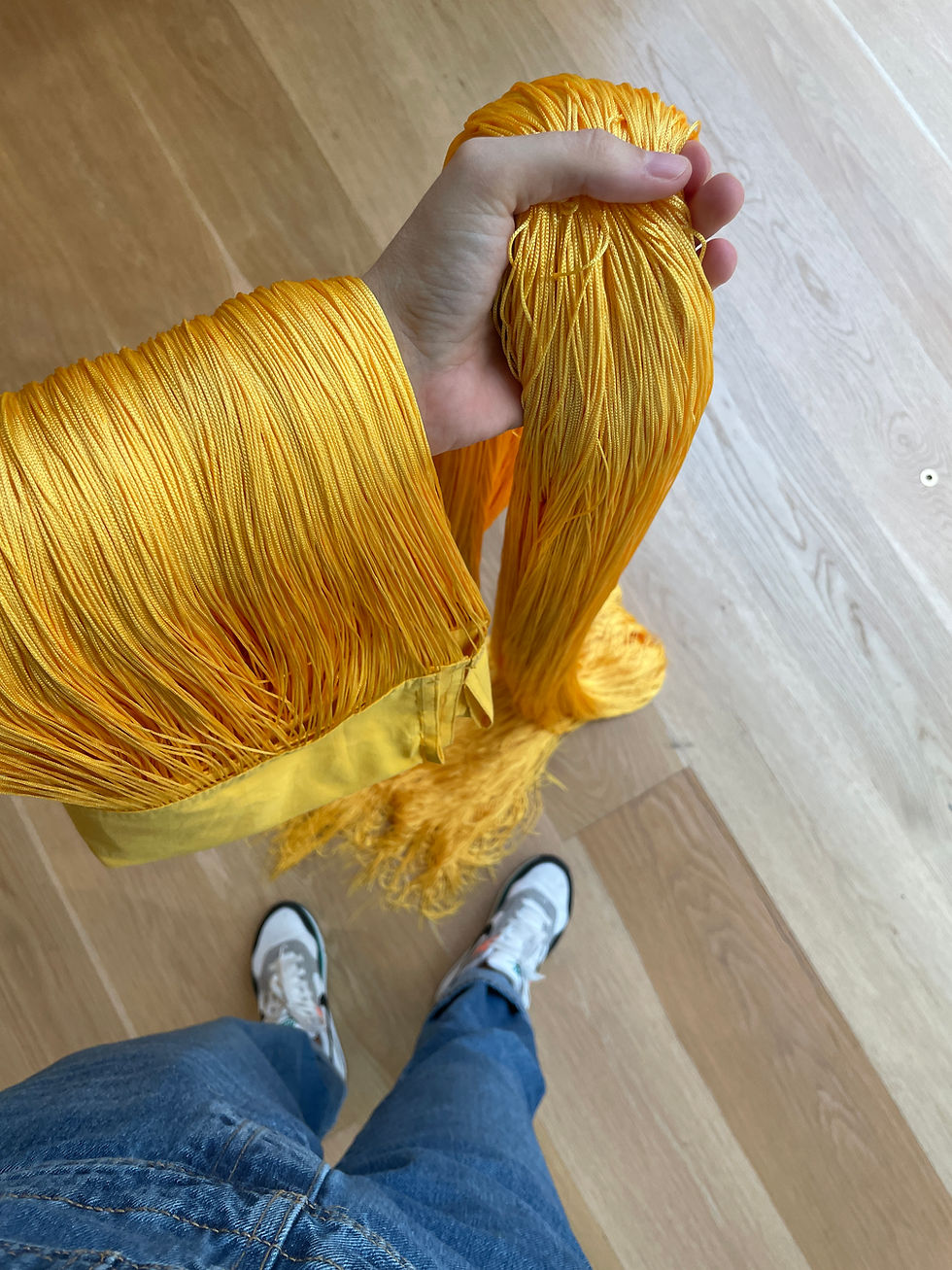
Over more than five years, we have listened to queer parents describe the intimate, ordinary, difficult, inventive, and joyful work of making families. These stories become both a living archive and the material for a growing body of artworks: librettos and immersive soundscapes, neon, textiles, video, sculpture, and mixed-media installations.
Organized around six interconnected collections:
on bodies
on family
on loss
on care
on birth
on joy
the project moves between research and artistic practice rather than treating them as separate forms of knowledge. Interviews become texts. Texts become voices. Voices become objects, spaces, and encounters. Exhibitions become opportunities to listen again.


Research
At the center of The Queer Birth Project is a longitudinal, mixed-methods research collaboration documenting more than 150 stories of queer parenthood and family-making across the United States. Through in-depth interviews, surveys, archival research, and artistic inquiry, the project asks how LGBTQIA+ people experience birth, build families, navigate systems of care, and create new forms of kinship and belonging.
We approach these stories not just as sources of data, but as relationships built through listening, consent, interpretation, and return. Rather than producing a singular account of “queer birth,” the research holds space for difference and contradiction across gender, sexuality, race, class, geography, family structure, reproductive pathway, medical experience, loss, care, and joy.
The project’s final iterations will bring all of our work together through a co-authored book, Queer Kin, and a digital archive. We hope this extends access beyond the life of any single exhibition, creating an enduring archival record through which future artists, scholars, families, and researchers can encounter these histories.